
Tier List
Arknights: Endfield tier list ranking every operator by damage, team utility and gear efficiency, split by class and element for the current version.
Introduction
The tier list ranks Arknights: Endfield operators by what they actually contribute in the current version, not by how recently they appeared on a banner. Rankings weigh damage output, team utility, gear investment efficiency and performance in the endgame modes, which is why several launch operators still sit above newer additions. Because squads are only four operators and share a skill gauge, utility and gauge efficiency matter more here than raw damage numbers in isolation.
Operator Tier Snapshot
| Tier | What It Means | Typical Investment |
|---|---|---|
| S | Anchors endgame content regardless of element matchup | Full artifact set plus signature weapon |
| A | Flexible picks that slot into most compositions | One complete gear set, weapon refined once |
| B | Solid role players while the roster is thin | Level cap plus a basic artfact set |
| C | Worth building only for specific elemental checks | Level cap only |
Tier Breakdown
Endministrator
Free story carry that never falls off
Laevatain
Heat striker with the highest burst ceiling
Typhoeus
Electric caster that scales off Arts damage
Perlica
Support that makes expensive squads affordable
Wulfgard
Vanguard that carries the early roster
Core Mechanics
Ranking in Arknights: Endfield is not a simple damage sort. Every squad shares three skill gauge charges, so an operator whose tactical skill is expensive or situational effectively taxes the whole team. Imbalance generation matters just as much as burst damage, because the imbalance window is where most of a fight's real damage happens. The list therefore scores four axes: personal damage, utility including stagger and control, efficiency of the gear investment required to reach that output, and measured performance in Umbral Monument and Echoes of War.
Advantages
A tier list is the fastest way to decide where limited upgrade materials should go, especially early when ascension items are scarce. Because the ranking is split by class and element, you can see which roles are genuinely contested and which are thin, so a player missing a healer can prioritise differently from one missing a carry. The list also separates operators that are strong immediately from those that only pay off once a specific gear set or teammate is available.
Challenges
Tier lists age quickly. Endfield ships balance changes and new gear on a version cadence, and a ranking that was accurate at launch drifts as supply pools rotate. Rankings also compress real differences: the gap between an S and an A operator is often smaller than the gap between a fully built operator and a half-built one, so a lower-ranked unit you have already invested in frequently outperforms a higher-ranked unit you have not.
Frequently Asked Questions
Who is the best operator in Arknights: Endfield right now?+
Should I reroll for a specific operator?+
How often does the tier list change?+
Quick Tips
Judge a tier placement by the investment it assumes. An S-tier ranking is earned with a complete artifact set and a signature weapon; the same operator running basic gear often performs closer to the A tier, which matters a great deal when you are deciding where scarce materials should go first.
Do not build a squad entirely out of top-tier carries. Because all four operators share three skill gauge charges, three expensive carries will starve each other, and a team with one carry plus two cheap utility operators usually produces more total damage across a full fight than four burst-dependent units competing for the same resource.
Re-check placements after each version update rather than memorising the list. Balance changes and new artifact sets have moved operators by a full tier in the past, and the placements that age worst are exactly the ones built on a single overturned skill or a gear interaction that a later patch quietly changed.
Featured

Arknights: Endfield 5 Star Tier List: Budget Picks
See the Arknights: Endfield 5 star tier list standouts — Wulfgard, Snowshine, and the meta four-stars worth building over unowned six-stars on your roster right now.

Arknights: Endfield Best Support Characters for Every Team
Stack your squad right with this Arknights: Endfield best support ranking — top defenders, guards, vanguards, and healers picked for survivability and gauge value.
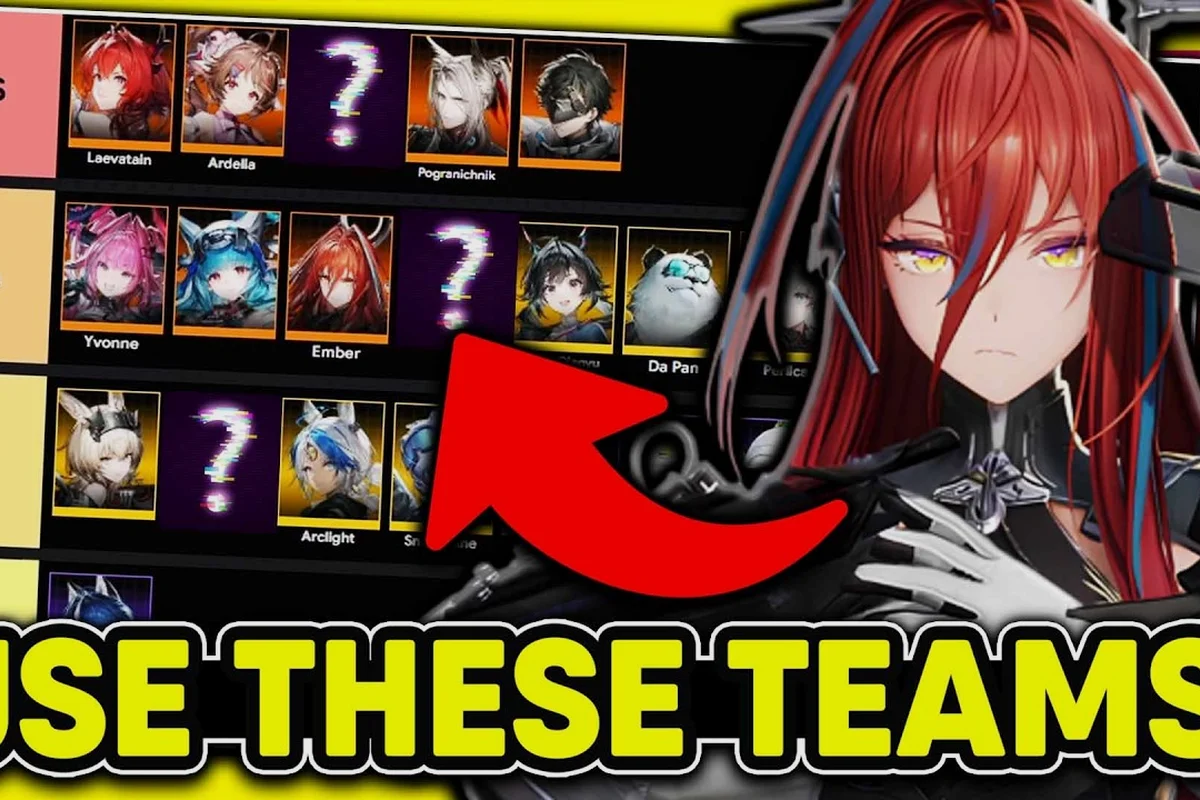
Arknights: Endfield Si Tier: Is She Worth Building?
Rank Arknights: Endfield Si tier placement on the current list — gauge cost, stagger uptime, and whether her six-star kit earns a slot on your main team.
All Articles
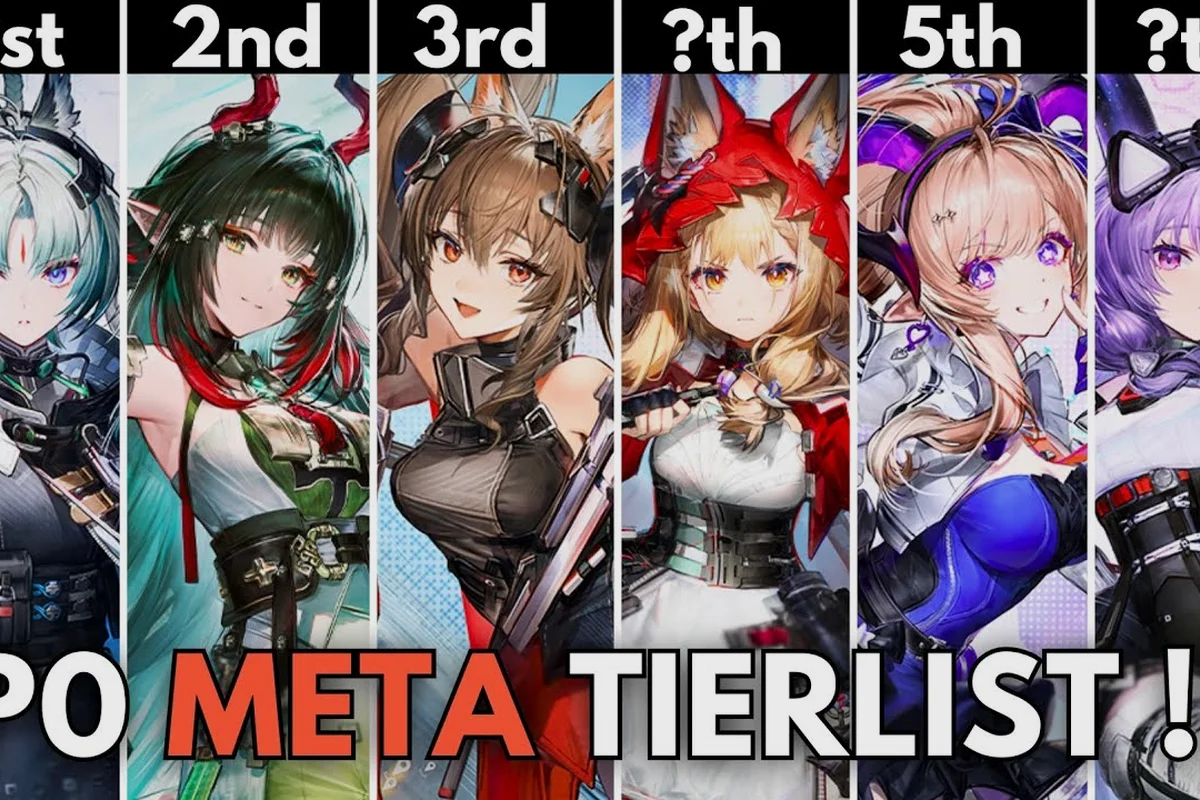
Arknights: Endfield Tier List: Who Leads the Meta
Rank every operator in this Arknights: Endfield tier list by gauge economy, damage trades, and team fit so you know which six-stars truly dominate the meta.
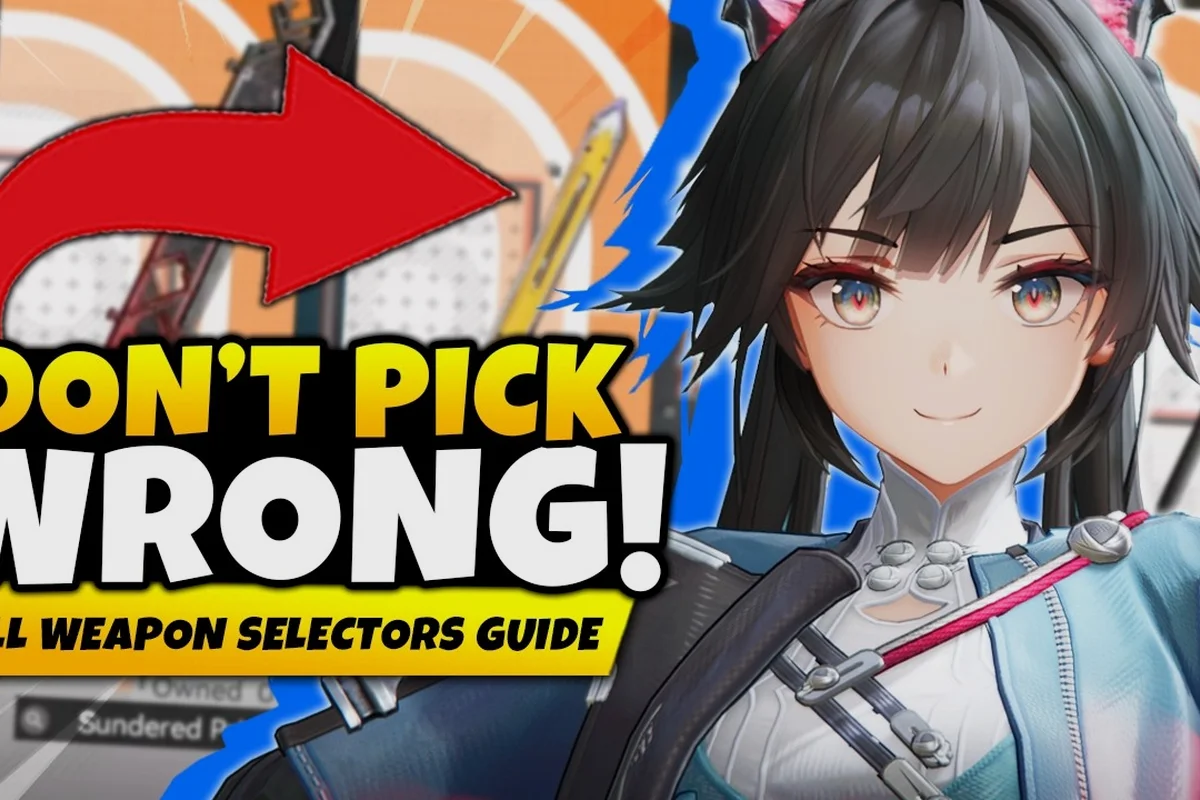
Arknights: Endfield Best Weapons: Supply Pull Advice
Find the strongest Arknights: Endfield best weapons for Sword, Great Sword, Polearm, Handcannon, and Arts Unit slots, ranked by raw DPS and operator synergy.

Arknights: Endfield Tier List Prydwen: S to D Rankings
The Prydwen Arknights: Endfield tier list Prydwen breakdown with S to D placements, gauge-cost judgments, and operator picks shaping today's meta.

Arknights: Endfield Best Physical Characters by Element
Lock in the Arknights: Endfield best physical characters plus Heat, Cryo, Electric, and Nature picks — ranked by Arts reaction triggers and raw output.