
Builds
Arknights: Endfield build guides covering skill priority, gear sets, artifacting rolls and stat targets so you know what to farm before spending materials.
Introduction
Build guides turn a pulled operator into a functional one. In Arknights: Endfield that means four separate decisions: which skills to level, which gear set to chase, which artifacting rolls to keep, and which weapon to aim for. Because materials are scarce and gear rolls are irreversible, the order of these decisions matters more than any single number. Every build page here states what to farm first and what can safely wait until the operator is already carrying its weight. Build pages also state the assumptions behind each recommendation, because a stat target that suits a solo carry is wrong for an operator whose job is feeding gauge to someone else. Read the team context first, then copy the numbers.
Upgrade Priority Order
| Order | Upgrade | Why Here |
|---|---|---|
| 1 | Level the skills used inside the burst window | Cheapest large multiplier, no RNG involved |
| 2 | Reach the current level cap | Unlocks later ascension and artifact slots |
| 3 | Complete one gear set with correct main stats | Set bonus plus correct main stats beats rare rolls |
| 4 | Roll artifacts for substats | Expensive and irreversible, so only after the base is set |
| 5 | Pull and refine a signature weapon | Largest multiplier, but the most expensive step |
Build Priorities
Skill Priority
Level the skill you actually press first
Gear Sets
Main stats before set chasers
Artifacting
Where materials quietly disappear
Weapon Supply
The final multiplier, and the most expensive
Low-Rarity Alternatives
Budget builds that still clear content
Core Mechanics
Operator power comes from four stacked sources. Skill levels raise the multiplier on the abilities you actually press, so prioritising the skill used inside the imbalance window is worth more than spreading upgrades evenly. Gear sets provide set bonuses that can be beaten by a weaker set with better substats. Gear artifacting is the reroll layer, where main stats matter far more than the number of rolls. Weapon supply supplies the final multiplier and is the most expensive step, which is why it comes last. Skill levels and ascension are deterministic, while artifact substats and weapon supply both involve currency or RNG, which is why the deterministic upgrades belong at the front of the order every time.
Advantages
A build guide is the difference between an operator that feels strong and one that feels broken. Because the highest-value upgrades are concentrated in a few skills and a small number of artifact main stats, following a build list removes most of the wasted materials that otherwise stall an account for weeks. It also front-loads the cheap wins, so an operator reaches a usable state quickly instead of waiting on a single expensive weapon. Following a build order also prevents the pattern that stalls accounts hardest: three half-finished operators that clear nothing, instead of one finished carry that unlocks the next tier of content and pays for the others.
Challenges
Builds are version-sensitive and roll-dependent. A recommended artifact set assumes you can farm the stage that drops it, and a weapon recommendation assumes access to a supply pool that may have rotated. Build advice also assumes a specific team context: stat targets that suit a solo carry are wrong for an operator whose job is feeding gauge to someone else, so read the assumptions before copying the numbers. Finally, build advice assumes a stable version. When a balance pass or a new artifact set lands, the priority order can shift for a specific operator, so re-check the page after any update that touches gear or skill multipliers.
Frequently Asked Questions
What should I upgrade first on a new operator?+
Does a full gear set always beat mixed pieces?+
When should I stop rerolling artifacts?+
Quick Tips
Build the team before you build the carry. Stat targets assume a specific squad context, so an operator built to feed gauge to a burst carry needs survivability and energy regeneration rather than the crit stacking a solo carry would take. Record the stat line you were aiming for before you start rolling, because it is far easier to stop at a target you wrote down than to stop at one you are still deciding on.
Farm gear and ascension materials on the same days. Artifact stages and ascension stages compete for the same stamina pool, and splitting them across a week usually means neither the set nor the ascension chain finishes, leaving an operator stuck in a half-built state for longer than necessary. Keep one budget gear set assembled and ready to move, so a freshly pulled operator can be tested in real content before you commit scarce artifact rolls to them.
Keep a low-rarity weapon upgraded until a signature weapon is genuinely affordable. An upgraded budget weapon beats an unrefined signature that stretched your currency reserves, and it keeps the operator usable while you save for the pull that actually raises the ceiling. Check whether an upgrade is deterministic or random before spending, since skill levels and ascension always pay out while artifact rolls can consume a week of materials for nothing.
Featured

Arknights: Endfield Artifacting Guide: Stat Reroll Math
Master the Arknights: Endfield artifacting guide — learn how rarity bands, gear slots, and stat rerolls raise your operators' combat power across every build.

Arknights: Endfield Best Artifacts: Top Gear Picks Ranked
Find the Arknights: Endfield best artifacts for top operators — ranked sets, slot priorities, and the upgrades that actually move your damage meter.

Arknights: Endfield Builds: Gear Sets, Artificing & Teams
Forge stronger Arknights: Endfield builds with the right gear set picks, artificing reroll strategy, and team comps that pay off in real combat encounters.
All Articles
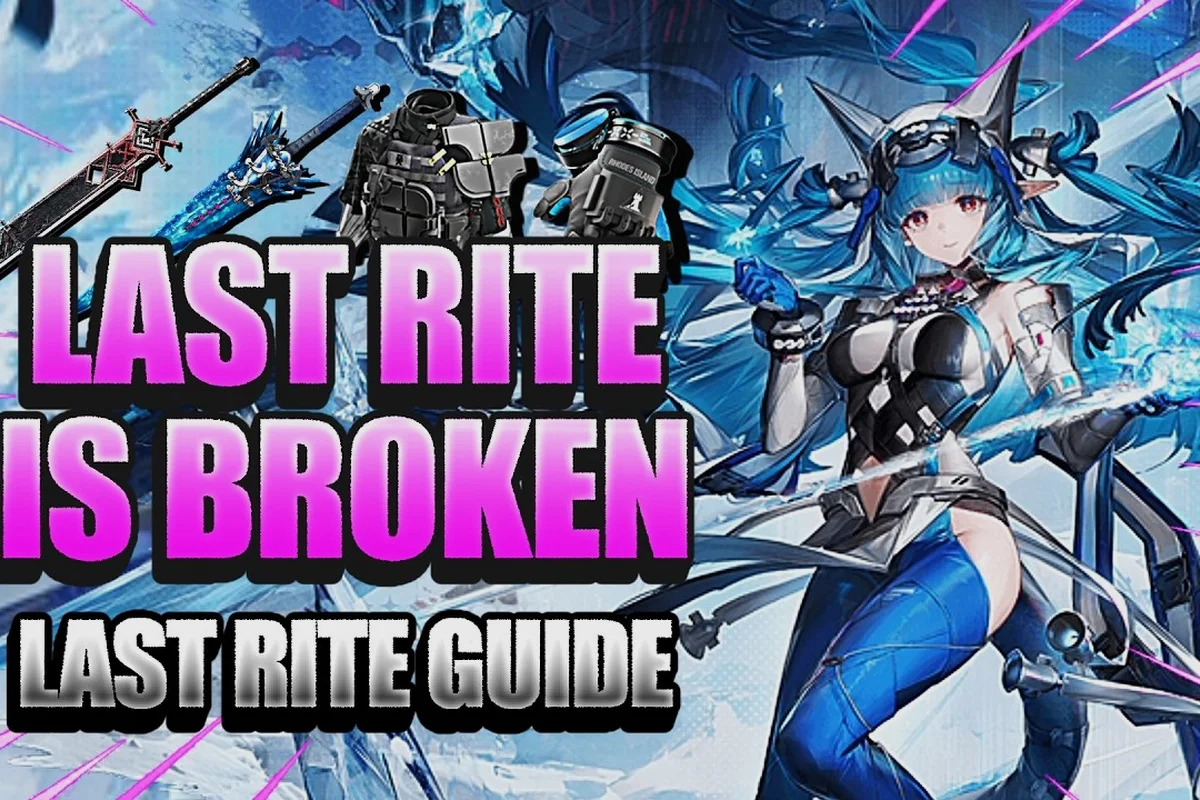
Arknights: Endfield Last Rite Build: Signature Loadout
Forge the Arknights: Endfield Last Rite build with skill priority, gear choices, and the team comps that make her six-star kit hit hardest in every encounter.

Arknights: Endfield Materials to Max a Character: Ascension Costs
Track every Arknights: Endfield materials to max a character — ascension items, talent upgrades, and the fastest farming routes to hit level cap.

Arknights: Endfield Snowshine Build: Freeze Combos
Set up the Arknights: Endfield Snowshine build with skill order, gear picks, and team comps that let her Cryo toolkit freeze every imbalance window cleanly.

Arknights: Endfield Lifeng Build: Rotation Priority
Build the Arknights: Endfield Lifeng build from the ground up with optimal skills, gear sets, and the four-operator team that fits his kit best on the field.